
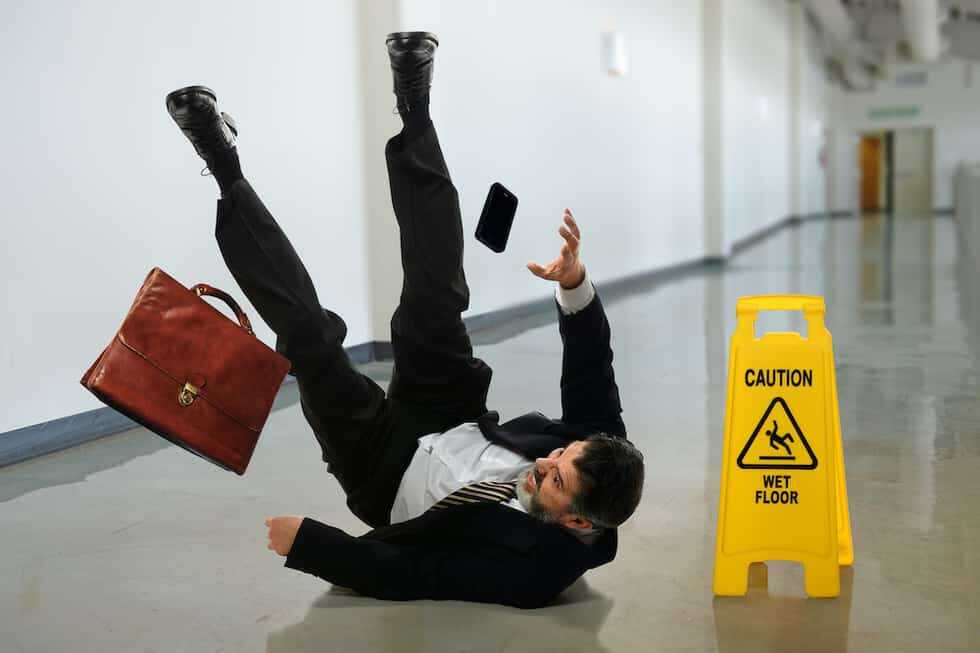
Slip and fall accidents can occur at any time of year, but certain weather conditions significantly increase the risk. Rain, snow, ice, and even strong winds can create hazardous situations that lead to serious injuries. Understanding how weather conditions contribute to these accidents is crucial for both individuals and property owners to prevent injuries and promote safety.
The Impact of Different Weather Conditions
1. Rain
Rain can create slick surfaces, making slip and fall accidents more likely. Wet pavement, tile floors, and wooden decks can become dangerously slippery when wet. Furthermore, visibility can be reduced during heavy rain, making it harder for individuals to notice hazards. Property owners should take extra precautions during rainy weather by ensuring proper drainage, applying anti-slip coatings, and placing warning signs to alert visitors to wet conditions.
2. Snow and Ice
Snow and ice pose some of the most significant risks for slip and fall accidents. Accumulated snow can hide hazards like uneven surfaces or hidden obstacles. Ice, particularly black ice, is especially treacherous because it is often invisible to the naked eye. Property owners must take proactive measures, such as regularly shoveling snow and applying salt or sand to icy areas, to prevent accidents. Additionally, it’s essential to keep pathways clear and well-marked to guide individuals safely.
3. Wind
Strong winds can also contribute to slip and fall accidents, particularly in outdoor environments. Wind can blow debris onto walkways, creating tripping hazards. Additionally, loose items like umbrellas or patio furniture can become projectiles, posing … Read More

