
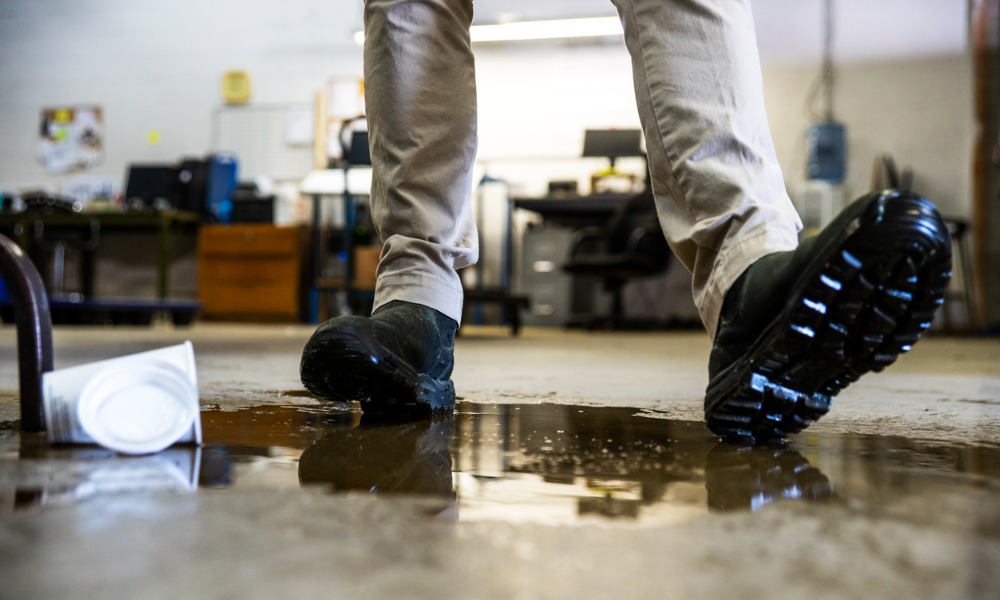
Slip and fall accidents can happen to anyone, including individuals with disabilities such as blindness or visual impairments. These incidents can cause severe injuries and result in financial burdens from medical expenses, lost wages, and ongoing care. When such accidents occur due to someone else’s negligence, a person—regardless of whether they are blind—may have the legal right to file a lawsuit. This article explores the legal considerations of a blind person suing for a slip and fall accident, the concept of negligence, and the steps involved in pursuing a claim.
Understanding Negligence in Slip and Fall Cases
To understand whether a blind person can sue for a slip and fall, it is essential to first look at the concept of negligence. In legal terms, negligence occurs when a person or entity fails to exercise reasonable care, resulting in harm to another individual. Property owners, businesses, and other entities have a legal obligation to maintain safe conditions for people who enter their premises. This duty of care extends to all individuals, including those who are blind or have other disabilities.
In slip and fall cases, proving negligence is crucial. The plaintiff (the person who slipped and fell) must demonstrate that:
- The property owner or occupier owed a duty of care: Property owners are generally responsible for maintaining safe environments for visitors. This includes addressing potential hazards like wet floors, uneven surfaces, or obstacles that could lead to a slip and fall accident.
- The property owner breached their duty of care

