
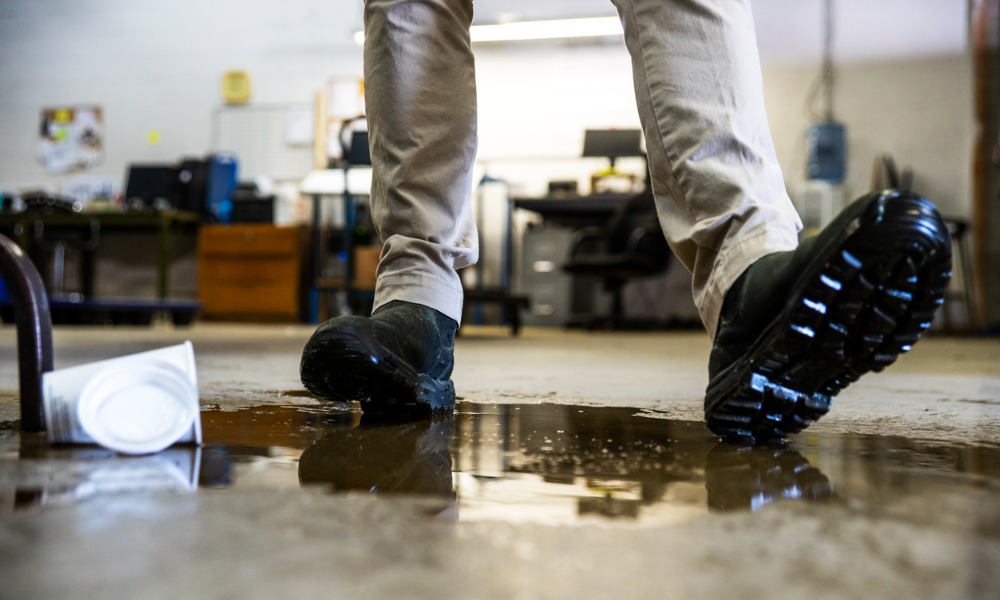
Slip and fall accidents can happen to anyone, including individuals with disabilities such as blindness or visual impairments. These incidents can cause severe injuries and result in financial burdens from medical expenses, lost wages, and ongoing care. When such accidents occur due to someone else’s negligence, a person—regardless of whether they are blind—may have the legal right to file a lawsuit. This article explores the legal considerations of a blind person suing for a slip and fall accident, the concept of negligence, and the steps involved in pursuing a claim.
Understanding Negligence in Slip and Fall Cases
To understand whether a blind person can sue for a slip and fall, it is essential to first look at the concept of negligence. In legal terms, negligence occurs when a person or entity fails to exercise reasonable care, resulting in harm to another individual. Property owners, businesses, and other entities have a legal obligation to maintain safe conditions for people who enter their premises. This duty of care extends to all individuals, including those who are blind or have other disabilities.
In slip and fall cases, proving negligence is crucial. The plaintiff (the person who slipped and fell) must demonstrate that:
- The property owner or occupier owed a duty of care: Property owners are generally responsible for maintaining safe environments for visitors. This includes addressing potential hazards like wet floors, uneven surfaces, or obstacles that could lead to a slip and fall accident.
- The property owner breached their duty of care: The plaintiff must prove that the property owner failed to address a dangerous condition in a timely manner. For example, if a store owner knew about a wet floor but did not place warning signs or clean it up promptly, this could be considered a breach of duty.
- The breach of duty directly caused the accident: The plaintiff must show that their slip and fall was a direct result of the hazardous condition on the property.
- The accident resulted in damages: The plaintiff must provide evidence of the injuries and damages (medical bills, lost income, pain and suffering) that resulted from the slip and fall.
Special Considerations for Blind Individuals in Slip and Fall Cases
Blind individuals, like anyone else, are entitled to pursue a lawsuit if they are injured due to a slip and fall accident. However, there may be unique factors considered in cases involving individuals with disabilities. Courts will take into account several key elements when determining liability:
- Reasonable Accommodations for Disabilities: Under the Americans with Disabilities Act (ADA), property owners and businesses are required to provide reasonable accommodations to ensure that their premises are accessible to people with disabilities. This includes providing features such as handrails, tactile paving, or clear pathways for individuals who are blind or visually impaired. If a property owner fails to make these accommodations, and this lack of accessibility contributes to the slip and fall accident, the injured party may have grounds for a lawsuit.
- Shared Responsibility: In slip and fall cases involving blind individuals, the defense may argue that the plaintiff should have been more cautious given their visual impairment. However, this argument may not hold weight if the property owner was negligent in maintaining safe conditions or failed to provide accommodations required by law. Even if a blind person is found to share some responsibility for the accident, many states operate under comparative negligence laws. This means that the plaintiff can still recover damages, but their compensation may be reduced by the percentage of fault assigned to them.
- Pre-existing Conditions: Blind individuals may have pre-existing health conditions, such as balance issues or other mobility impairments, that could be aggravated by a slip and fall accident. In such cases, the property owner may still be held liable for any additional injuries caused by the fall, even if the plaintiff had underlying conditions before the accident. It is important for blind individuals to document their medical history and any exacerbated conditions when pursuing a lawsuit.
Proving a Slip and Fall Case as a Blind Person
The process of proving a slip and fall case for a blind individual follows similar steps to that of any other plaintiff. However, it is crucial to gather specific evidence to support the claim:
- Documentation of the Hazardous Condition: It is important to provide evidence of the dangerous condition that caused the slip and fall. This can include photographs of the hazard, witness statements, and security camera footage, if available. The plaintiff’s legal team will work to demonstrate that the property owner either knew or should have known about the condition and failed to address it.
- Medical Records: Injuries sustained in a slip and fall should be thoroughly documented by medical professionals. This documentation should include details about the extent of the injuries and any impact on the blind individual’s quality of life or ability to perform daily tasks. If the accident worsened any pre-existing conditions, medical records should clearly outline this progression.
- Expert Testimony: In some cases, expert witnesses may be called upon to testify about the property owner’s failure to provide reasonable accommodations for a blind individual. These experts can also help establish that the accident was preventable with proper care and maintenance of the property.
Potential Compensation for Blind Individuals
If a blind person is successful in their slip and fall lawsuit, they may be entitled to various forms of compensation. This compensation typically falls into two main categories:
- Economic Damages: These are tangible, financial losses that the injured party suffers as a result of the accident. Economic damages may include medical expenses (both immediate and long-term), rehabilitation costs, lost wages due to time missed from work, and any future loss of income if the injuries lead to long-term disability.
- Non-Economic Damages: These damages are more subjective and reflect the emotional and psychological impact of the accident. Non-economic damages can include compensation for pain and suffering, loss of enjoyment of life, and emotional distress caused by the slip and fall accident.
A blind person has the same legal right as anyone else to sue for a slip and fall accident caused by someone else’s negligence. While there may be special considerations regarding reasonable accommodations and shared responsibility, the core principles of negligence apply. If a property owner fails to maintain safe conditions or neglects to make their premises accessible to individuals with disabilities, they can be held liable for any resulting injuries.
For blind individuals, seeking legal counsel is an important step in determining whether they have a viable case and understanding how to navigate the legal process. With the right representation and evidence, a blind person can pursue justice and secure compensation for the injuries and damages they’ve sustained from a slip and fall accident.
This article was written by Jeanette Secor PA Attorney at Law.
Since over 20 years, Jeanette Secor’s law firm in St. Petersburg has been the first choice of those who are seeking justice following an injury. Jeanette Secor is a renowned personal injury lawyer in St. Petersburg, FL. She has represented clients successfully in motorcycle accidents, car accidents, and slip and fall incidents.